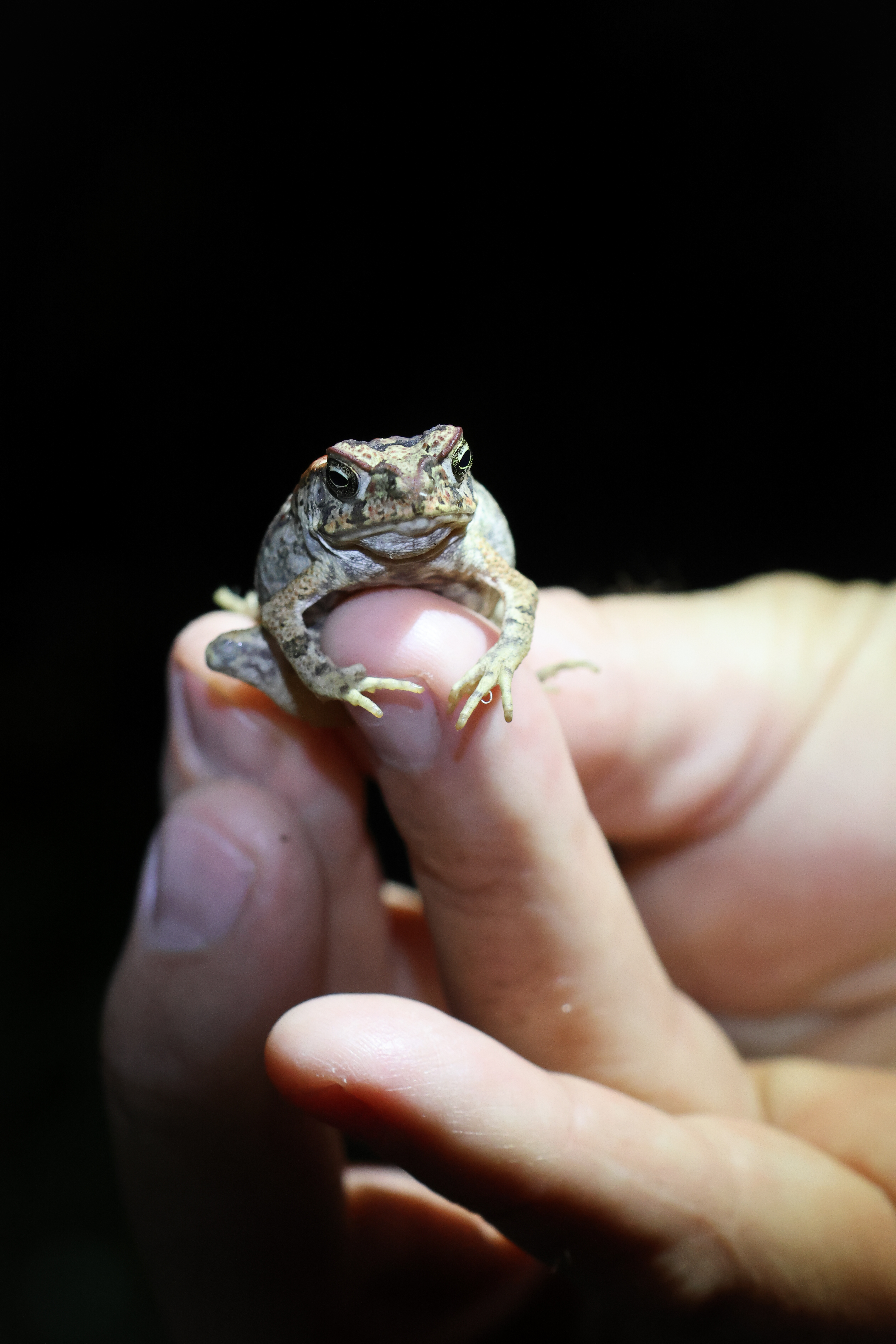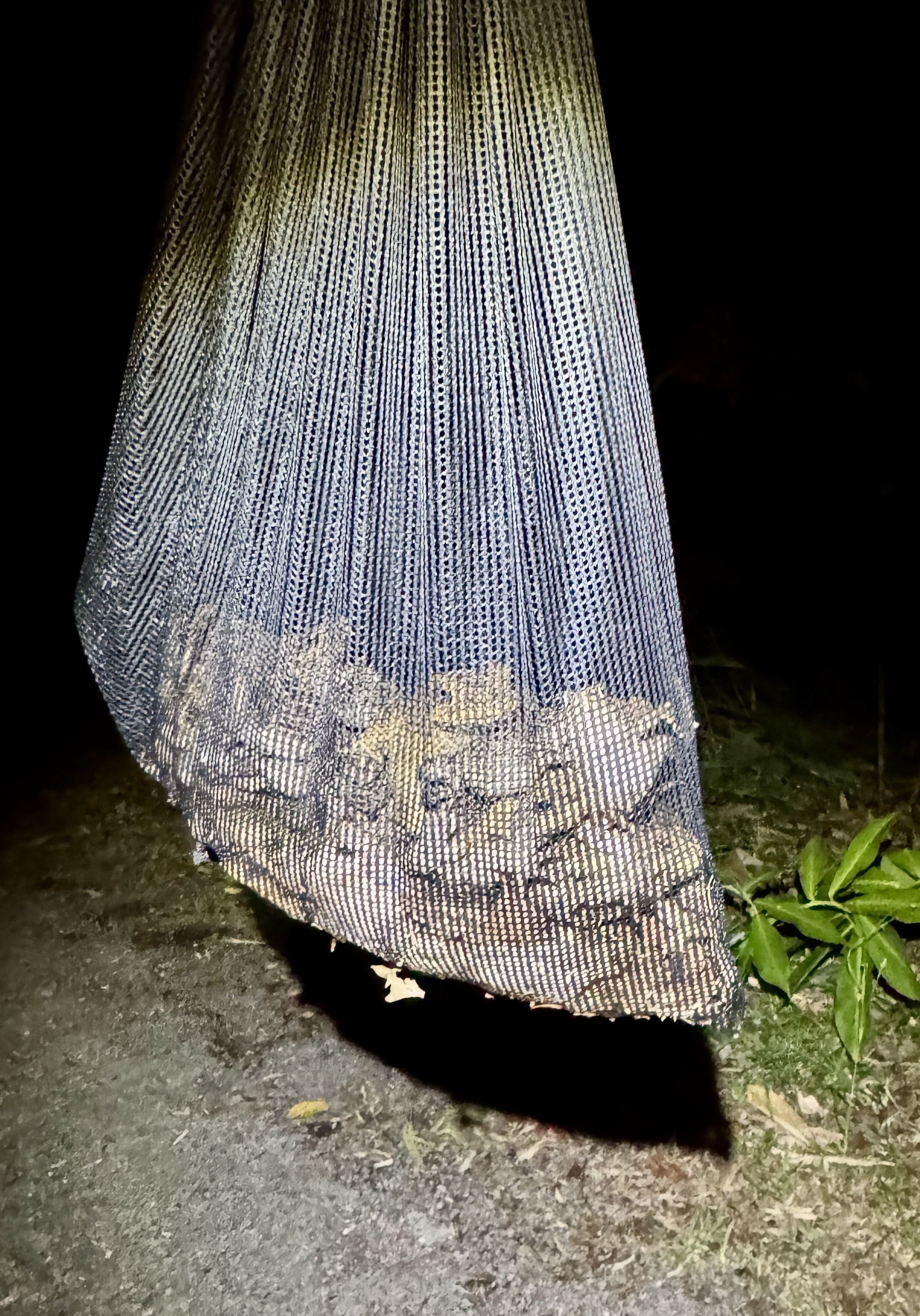
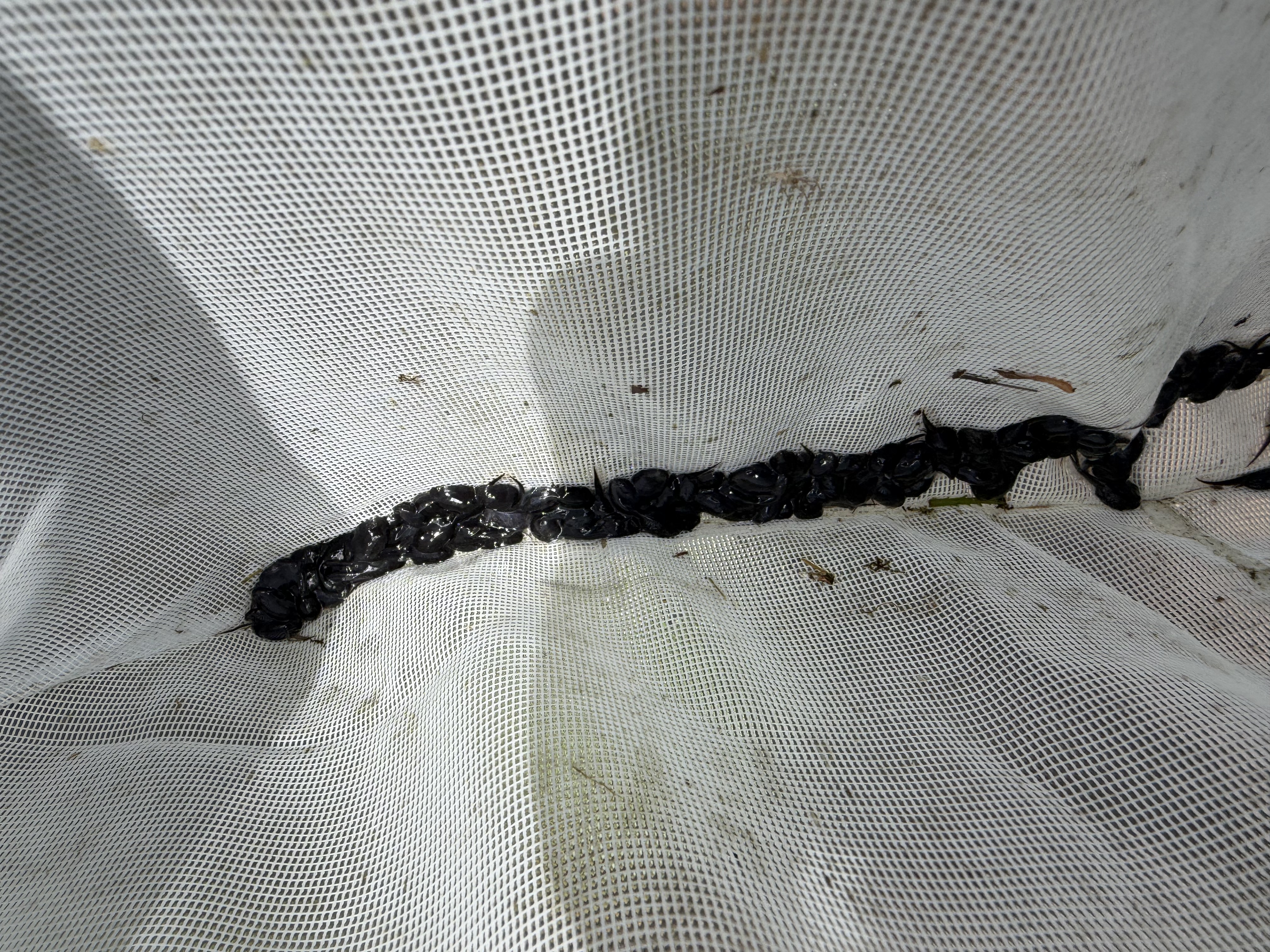
Most conversations about cane toad management focus on adults. Removal services, barriers, trapping adults at night — these are all useful. But if you have a water feature on your property and toads are breeding in it, you are always playing catch-up.
The most effective point of intervention is earlier in the lifecycle: the tadpole stage.
Why Tadpole Control Matters
A single female cane toad can produce up to 30,000 eggs in one clutch. She may breed multiple times per season. In warm Queensland water, those eggs hatch within 48 hours and tadpoles can develop into toadlets in as little as four to six weeks.
That means one breeding event in October can translate into hundreds of new adult toads on your property by December.
Removing adult toads is valuable. But if breeding is happening in your backyard pond, dam, or water feature, you are removing individuals while the population replenishes itself continuously.
Tadpole control breaks that cycle at the source.
How to Identify Cane Toad Tadpoles
Knowing what you are looking for is the essential first step, because native frog tadpoles are also present in Queensland waterways and are protected.
Cane toad tadpoles:
- Uniformly black or very dark brown from above
- Small — typically 1 to 2.5cm during most of development
- Tend to school in large groups near the surface or along the shallows
- Move in a characteristic dense, swirling mass when disturbed
Native frog tadpoles by comparison:
- More varied in colour — often brown, greenish, or with visible patterning
- Generally larger at equivalent development stages
- More solitary or in loose groups rather than dense schools
- Often feed along the bottom rather than near the surface
If you are not certain, photograph the tadpoles before acting and consult a local wildlife identification resource. The Queensland Government's FrogID app and Watergum's community resources are useful references.
Tadpole Trapping — How It Works
Tadpole traps are passive, non-chemical devices designed to capture tadpoles using mesh enclosures submerged at the water's edge. The Watergum Tadpole Trap — developed in partnership with one of Queensland's leading conservation organisations — is the trap we use and recommend.
How to set the trap:
Place the trap in the shallows of a pond, dam, or water feature where tadpoles are present. The trap does not require bait. Tadpoles naturally move into enclosed spaces, particularly along the edges of water bodies.
Set in the evening. Check and empty in the morning.
What to do with captured tadpoles:
Cane toad tadpoles should be disposed of humanely. Placing them in a sealed bag in the freezer is the currently accepted humane method. Do not release them into other waterways.
What the trap does not catch:
The mesh sizing of purpose-built tadpole traps allows fish, shrimp, and larger aquatic life to avoid or escape the trap. They contain no chemicals or attractants that could harm your pond ecosystem.
How Often Should You Trap?
During peak breeding season — October through April — daily checking and emptying of traps gives the best results. A single trap can capture significant numbers overnight during active breeding periods.
For properties with larger dams or multiple water features, running several traps simultaneously and rotating them across areas where tadpoles are most concentrated is more effective than a single static trap.
Combining Tadpole Control With Other Measures
Tadpole trapping is most effective as part of a broader approach:
Adult removal reduces the number of breeding toads reaching your water features in the first place. Professional removal in early wet season, before the first major breeding events, sets you up for the season ahead.
Habitat modification around water features — removing dense vegetation at the water's edge, keeping banks clear, and reducing shelter for adult toads near the water — can discourage breeding activity.
Barrier fencing around ponds or water features, or around the broader property perimeter, reduces the number of toads accessing your water sources. This is most relevant for properties where external toad immigration is ongoing.
The Watergum Trap
We stock the Watergum Tadpole Trap — a purpose-built trap developed by Watergum, a Queensland-based conservation organisation that has been at the forefront of community cane toad management for years.
It is the trap we trust for our own field work, and the one we put in the hands of property owners who want a practical tool they can use between professional visits.
Available in sets of three — designed for use across multiple water bodies or to maximise capture rates in a single location.
For larger properties or dam management, contact us to discuss a tailored tadpole management plan. Or browse the shop to get a trap set delivered to your door.