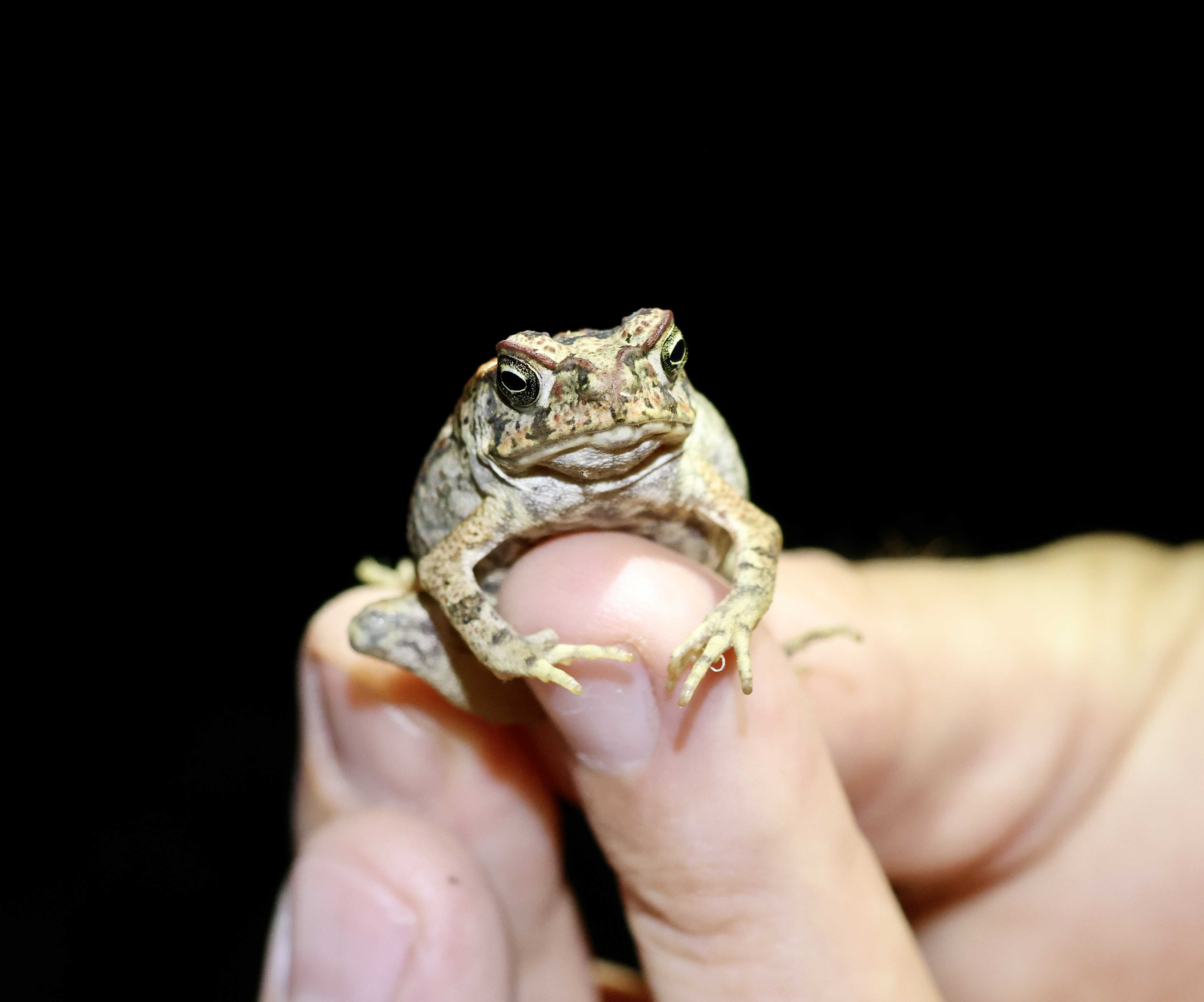

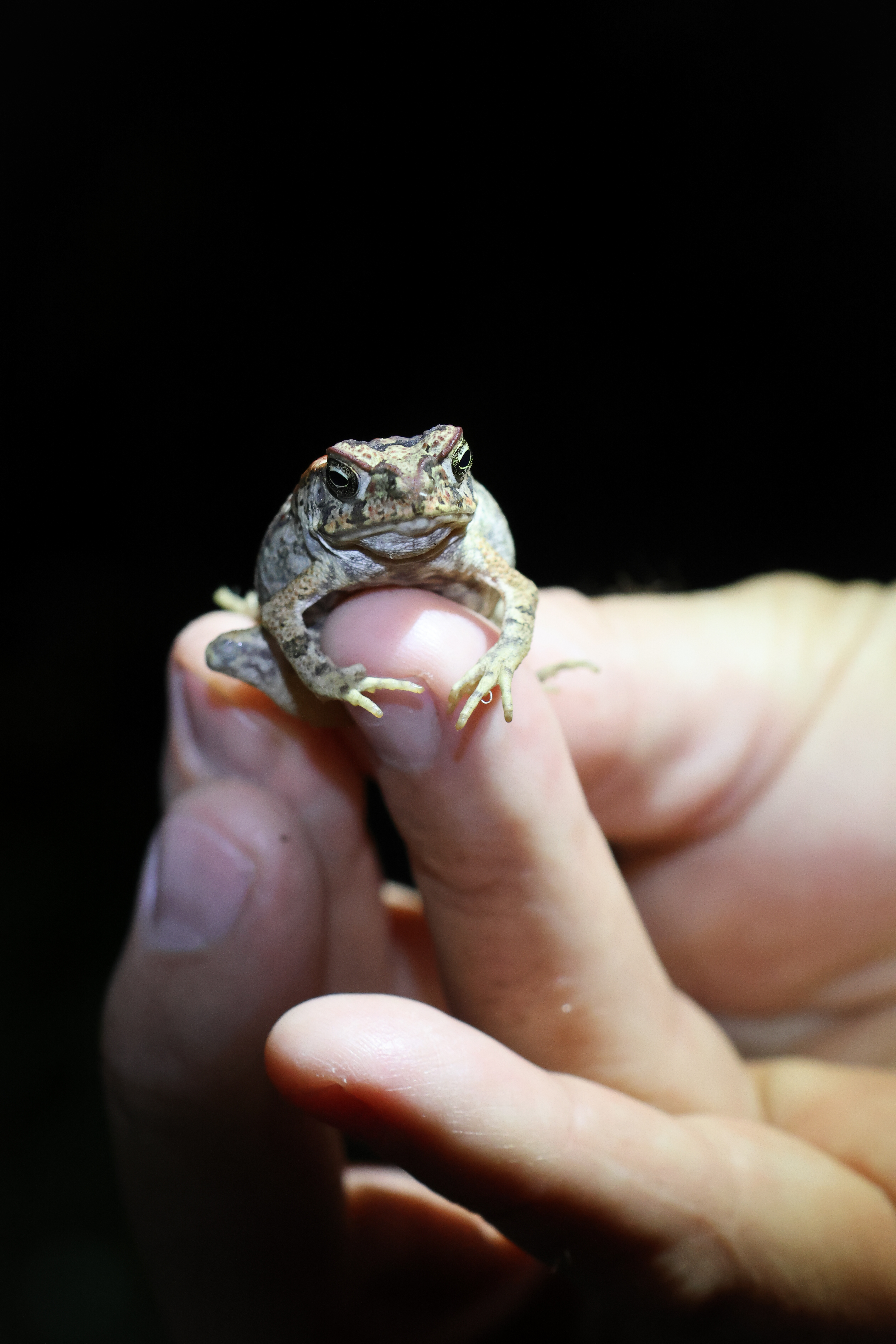
If you've walked out to your backyard pond and found it surrounded by hundreds or thousands of tiny toads, you're not dealing with a quirk of nature. You're looking at a successful cane toad breeding event — and the toadlets you're seeing are the first wave of what could become a significant property-wide infestation if not addressed quickly.
Here's exactly what's happened and what you can do about it.
Your Pond Has Been Used as a Breeding Site
Cane toads are opportunistic breeders. They will use almost any body of standing water — including clean, well-maintained garden ponds, ornamental water features, and even fish ponds. They don't need large volumes of water or particularly warm temperatures, just enough moisture and a shallow area where eggs can be deposited.
A single female cane toad can lay between 8,000 and 35,000 eggs in one breeding event. Those eggs hatch within a few days, producing dense clouds of black tadpoles that are visible in ponds if you look closely. After 4–6 weeks of development (less in very warm conditions), those tadpoles metamorphose into toadlets and begin emerging from the water.
The result is exactly what you're seeing: large numbers of tiny toads appearing near your pond seemingly overnight.
Why They All Appear at Once
Toadlet emergence tends to happen in synchronised waves rather than gradually. This is partly biological — the tadpoles that hatched from the same clutch of eggs develop on a similar timeline — and partly environmental, triggered by warm, humid conditions following rain.
What this means practically is that you might have nothing visible on Monday and then hundreds of toadlets near your pond on Wednesday. The emergence window is rapid, and the dispersal window is equally short: within 24–72 hours of emerging, toadlets begin spreading into surrounding garden beds, lawn, and shelter areas.
The Risk to Your Property and Pets
For pets: Even tiny toadlets carry the same bufadienolide toxin as adult cane toads. Dogs that mouth or lick toadlets — which is very common given their size and movement — can experience drooling, disorientation, and in serious cases, seizures. Keep pets away from the area until toadlets are removed.
For your property: Left unchecked, a toadlet outbreak near a pond can seed your entire property with hundreds of juvenile cane toads. These toads will establish territories, continue to grow, and potentially breed themselves in future seasons.
For your pond: Cane toad tadpoles can affect pond ecosystems by competing with native tadpoles and fish larvae for food. They also produce toxins in the water that can affect some species.
What You Should Do
Immediate: Remove the toadlets
If numbers are large, professional removal using wet-vac equipment is the most effective option. Our baby cane toad removal service is designed specifically for this kind of outbreak — rapid collection before the toadlets fully disperse. Time is the critical factor here.
Short-term: Address the tadpoles in the water
Even if you remove the current wave of toadlets, if there are still tadpoles in your pond, you will have another outbreak in weeks. Tadpole trapping removes cane toad tadpoles from the water before they can emerge. This is one of the most effective ways to break the breeding cycle in a pond environment.
Longer-term: Prevent future breeding events
Options include:
- Pond netting — fine mesh over the water surface prevents adult toads from accessing it to breed
- Pond lighting management — reducing lights near the pond reduces the insect activity that attracts adult toads
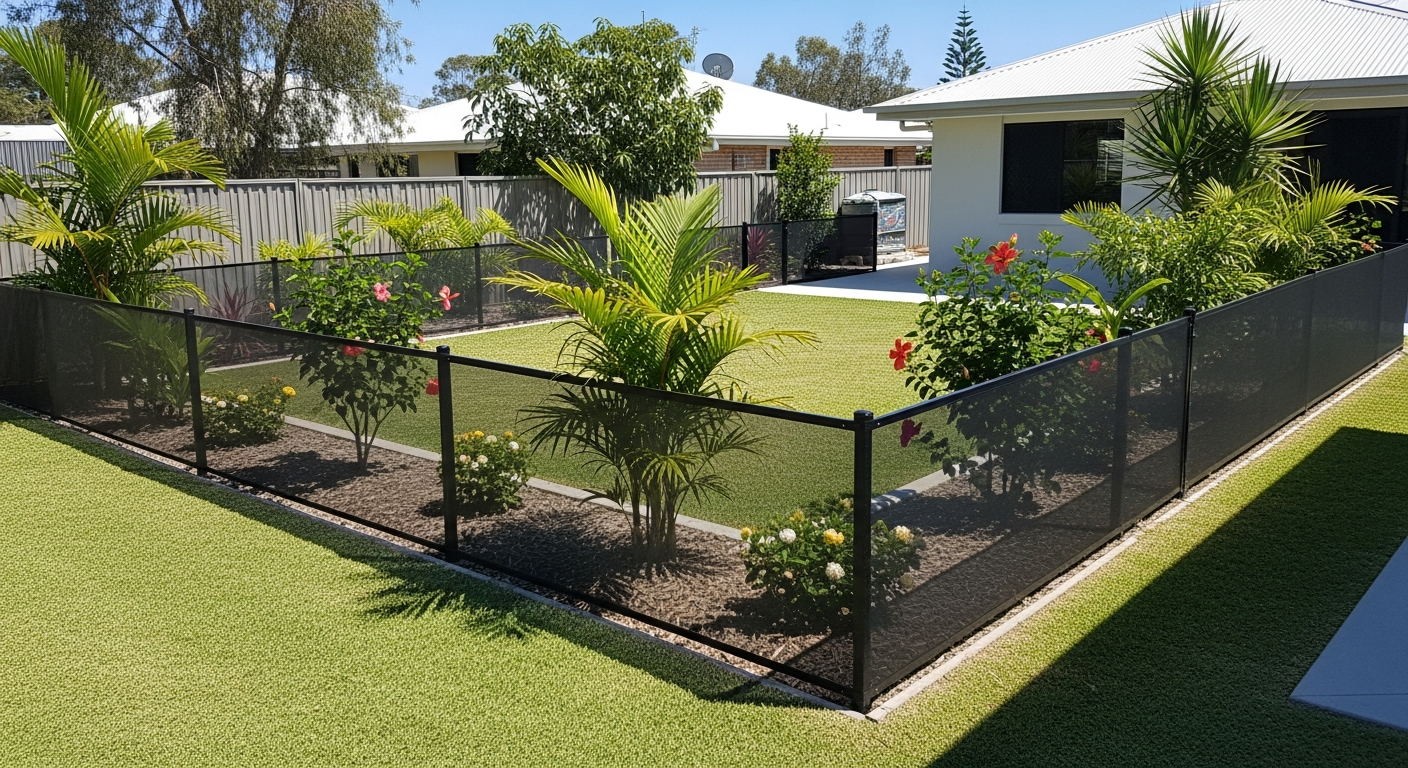
- Barrier fencing — toad-proof fencing around the pond area or the full property prevents toads from accessing the breeding site
- Regular inspections — a periodic cane toad inspection can identify early signs of breeding activity before numbers get out of hand
How to Tell If It's Cane Toad Tadpoles in Your Pond
Cane toad tadpoles are small, very dark (almost black), and tend to swim in dense schools near the surface. If you see clouds of tiny black tadpoles in your pond following an adult toad sighting, there's a high probability they are cane toad tadpoles. Native tadpoles are often lighter in colour, larger, and tend to be more solitary or in smaller groups.
If you're not sure, send us a photo via the contact page and we can help with identification.
Acting Fast Makes All the Difference
The single biggest factor in managing a toadlet outbreak near a pond is timing. The 24–72 hour window after emergence is when removal is most effective. After that, the toadlets are dispersed and the job becomes significantly harder.
If you're in the Gold Coast, Brisbane, or Northern NSW area and you've noticed toadlets near your pond, book a visit or call us today.
Related reading:
- Why Baby Cane Toads Appear After Rain
- Are Baby Cane Toads Dangerous for Dogs?
- Tadpole Trapping and Removal Service
- Baby Cane Toad Removal Service