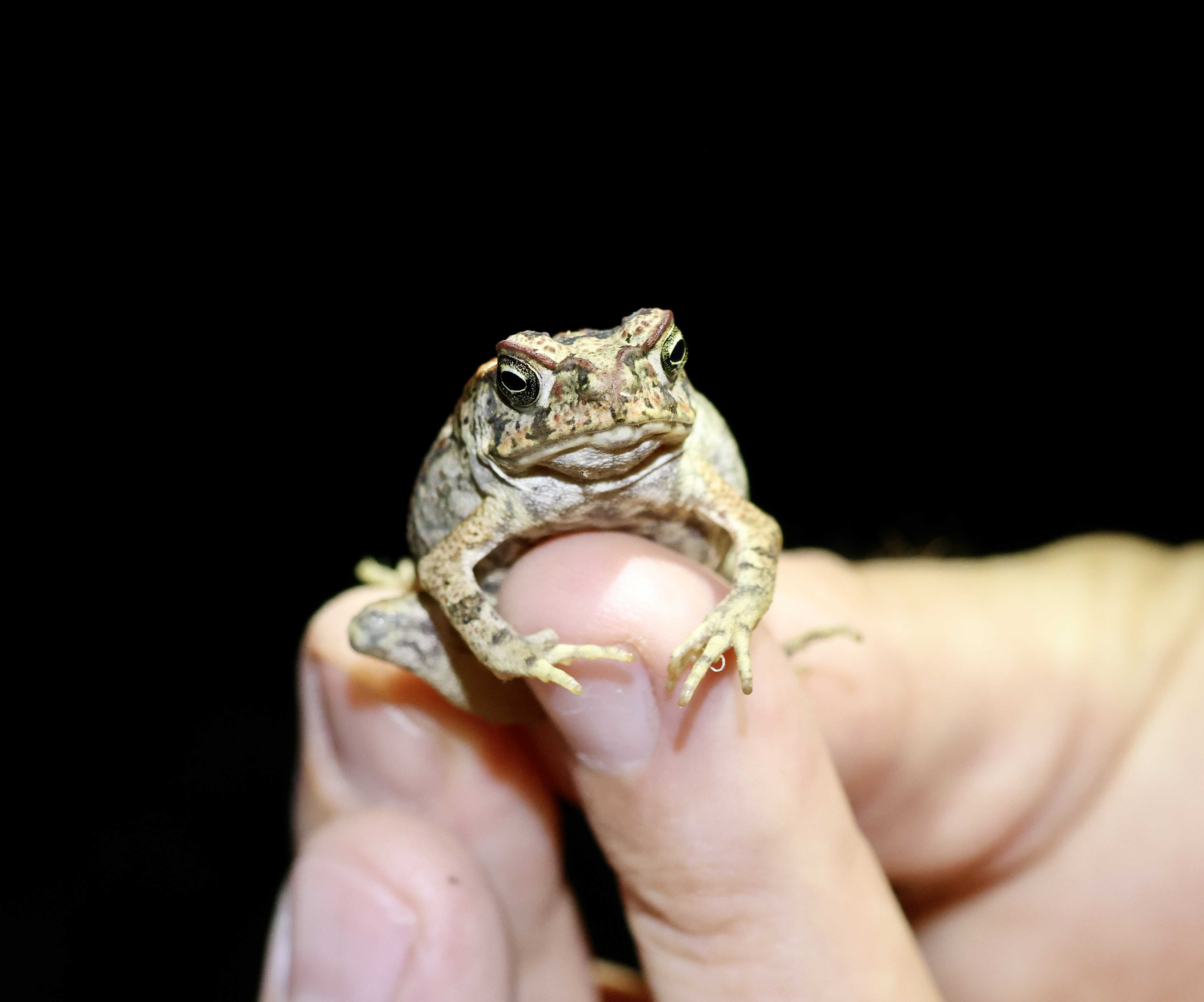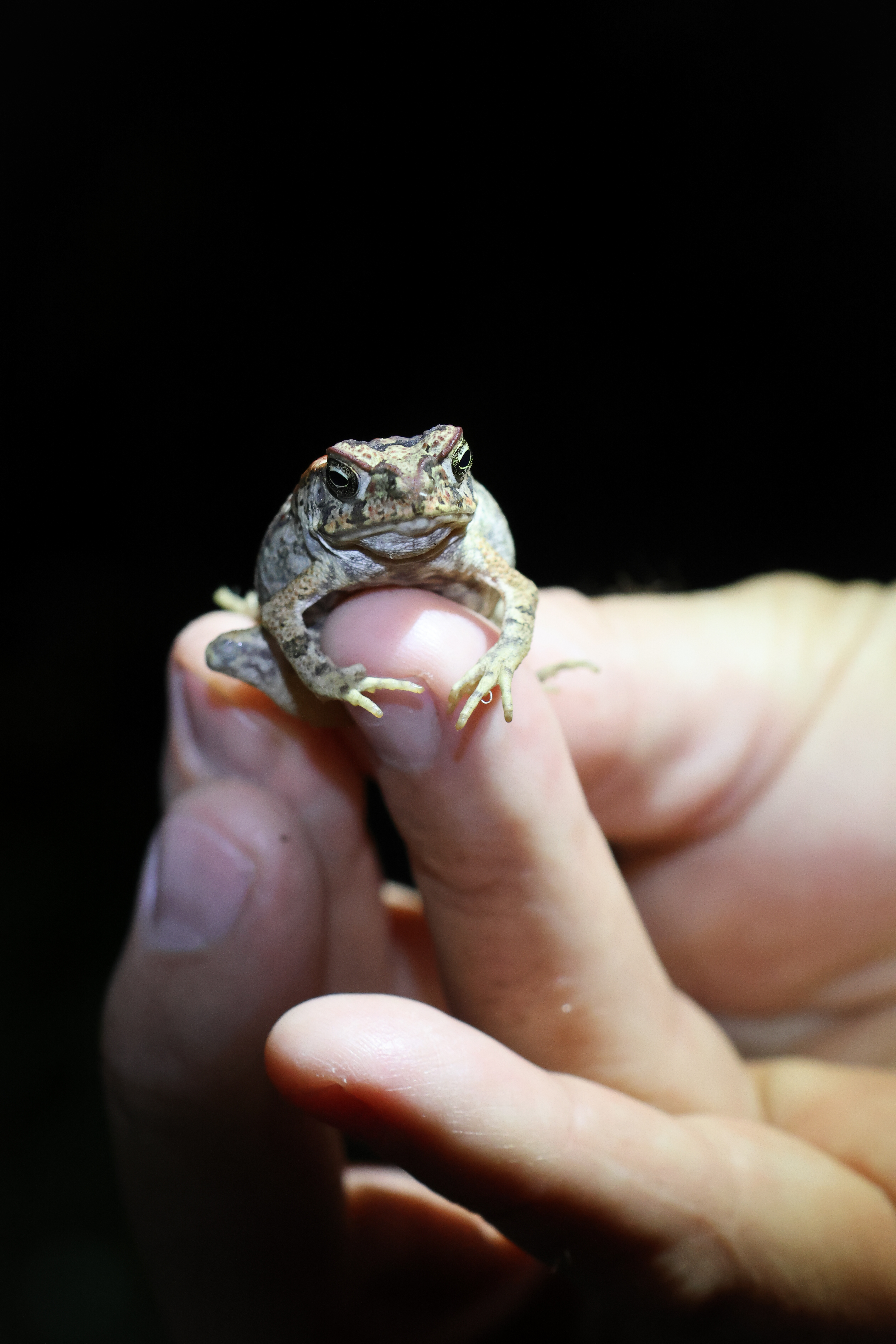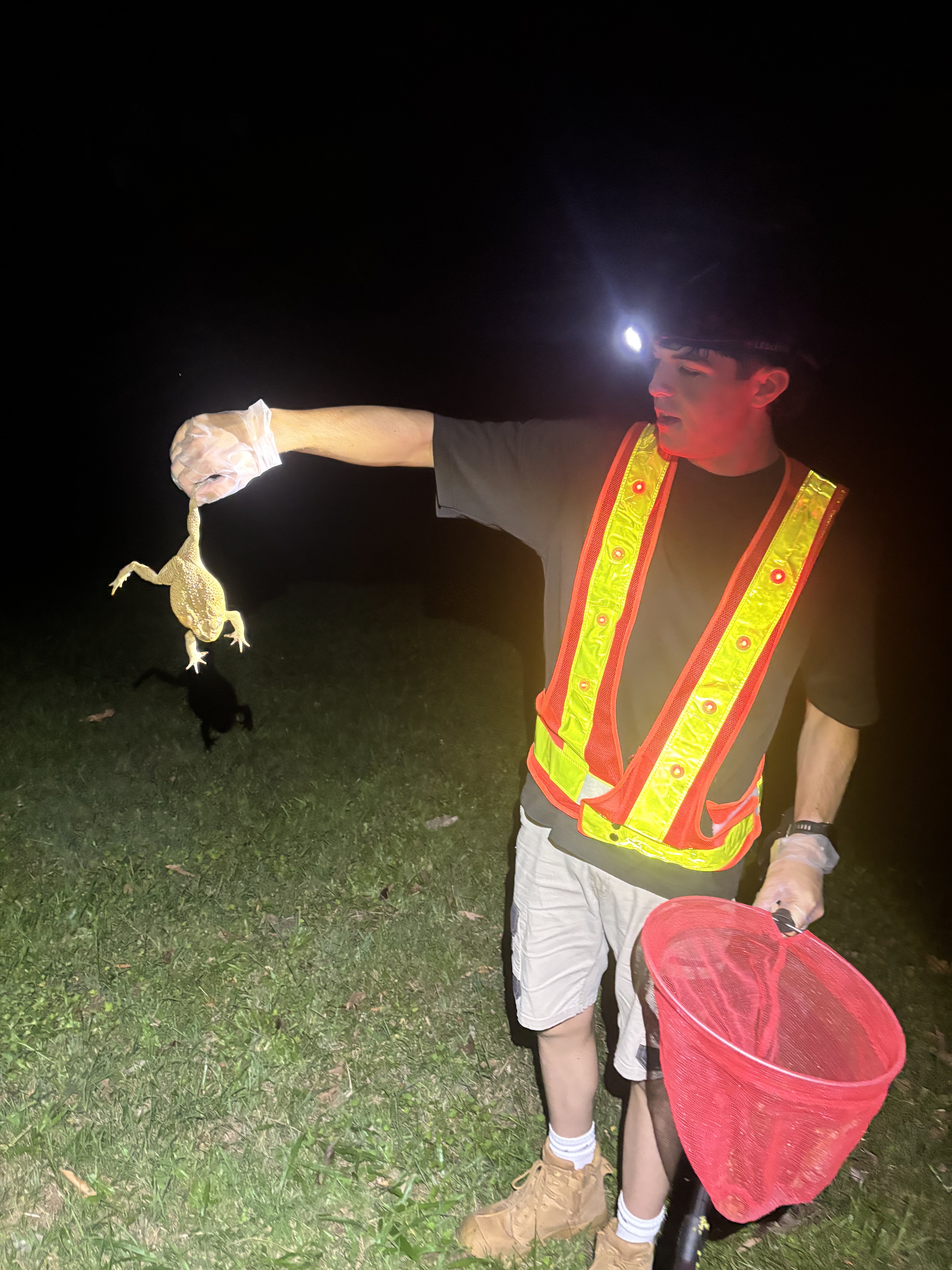

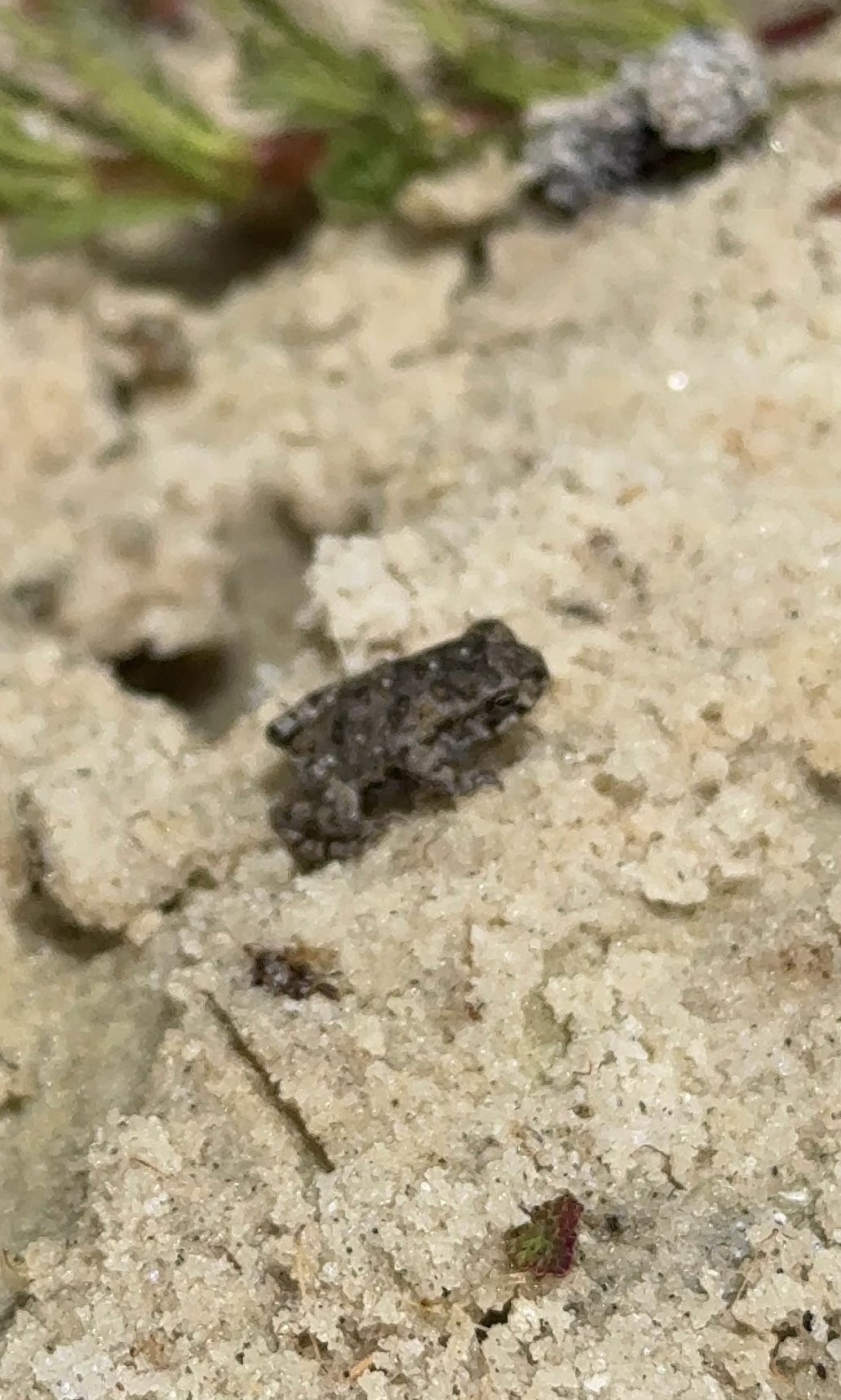
One of the most common questions we get from homeowners in Queensland is whether baby cane toads — often called toadlets — are actually dangerous, or whether their small size makes them less of a risk than adult toads.
The short answer: yes, baby cane toads are dangerous for dogs, and the small size can actually make the situation worse in some ways, not better.
Here's what you need to know.
Same Toxin, Smaller Package
Cane toad toxin — called bufadienolide — is present in all cane toads regardless of size or age. As soon as a toadlet emerges from water, it has functioning parotoid glands that secrete this toxin when the toad feels threatened.
When a dog mouths, licks, or bites a toadlet, the toxin is absorbed rapidly through the mucous membranes of the mouth. The amount of toxin released from a small toadlet is less than from an adult, but several factors complicate this:
- Small dogs and puppies receive a higher dose relative to body weight
- Dogs that interact with multiple toadlets at once — which is common when toadlets emerge in hundreds — receive compounding exposure
- Dogs that chew or swallow a toadlet get a much higher dose than those that simply mouth it
- Rapid and excited mouthing (which is typical dog behaviour when encountering small moving objects) increases toxin exposure significantly
Symptoms of Baby Cane Toad Poisoning in Dogs
Symptoms typically begin within minutes of contact and can escalate quickly:
Mild exposure:
- Excessive drooling or foamy saliva
- Pawing at the mouth or face
- Head shaking
- Bright red gums
Moderate to severe exposure:
- Disorientation or wobbling
- Vocalising or whimpering
- Vomiting
- Dilated pupils
- Irregular heartbeat
Severe exposure:
- Seizures
- Collapse
- Cardiac arrhythmia (in rare cases)
The progression from mild to severe can happen faster than most owners expect, particularly in small dogs. Don't wait for symptoms to worsen before calling a vet.
What to Do if Your Dog Contacts a Toadlet
Step 1: Rinse immediately
Use a hose or damp cloth to rinse the inside of your dog's mouth thoroughly for 10 minutes. Wipe from back to front to move the toxin toward the front of the mouth and out, not further down the throat. Do not allow the dog to swallow the water.
Step 2: Call your vet
Even if your dog seems fine after rinsing, call your vet. Symptoms can be delayed, and your vet can advise whether the dog needs to come in immediately based on their size and the level of exposure.
Step 3: Monitor closely
Watch for any of the symptoms listed above in the hour following contact. If your dog deteriorates rapidly, this is an emergency — go to the nearest vet clinic.
Why Toadlets Are Particularly Risky for Dogs
Unlike a large adult cane toad that a dog will often spit out after one contact due to the unpleasant taste, toadlets are tiny. Dogs — especially puppies and young dogs with high prey drive — often treat them like small insects or bugs to be played with. They may mouth, chew, or interact with multiple toadlets before an owner notices.
This repeat exposure pattern is one of the biggest risk factors with toadlet outbreaks.
After a Toadlet Outbreak: What to Do
If large numbers of toadlets have appeared in your yard:
- Keep dogs inside until the toadlets are removed
- Book a professional removal if numbers are large — baby cane toad removal using wet-vac equipment is the fastest way to clear a property
- Identify the breeding source — large toadlet numbers almost always mean a nearby pond, drain, or water feature has been used as a breeding site. Tadpole trapping can break the cycle
- Consider barrier fencing — if toadlets are coming from neighbouring properties or a shared water source, toad-proof fencing is the only permanent solution
The Bottom Line
Baby cane toads are not harmless. They carry the same toxin as adult toads, and the conditions under which they appear — in large numbers, at ground level, moving in ways that attract dog attention — make toadlet outbreaks particularly high-risk for pets.
If you're in the Gold Coast, Brisbane, or Northern NSW area and your yard has been hit by a toadlet outbreak, contact us immediately or book a removal visit today. The sooner they're cleared, the safer your pets are.
Related reading:
- Why Baby Cane Toads Appear After Rain
- My Dog Licked a Cane Toad — What to Do Right Now
- Baby Cane Toad Removal Service