
If you've stepped outside after a rain event and noticed what looks like hundreds of tiny toads hopping around your lawn, you're not imagining it. This is one of the most common — and most alarming — sights for homeowners in South East Queensland and Northern NSW during cane toad season.
Here's exactly what's happening, why it happens after rain, and what you should do about it.
What Are These Tiny Toads?
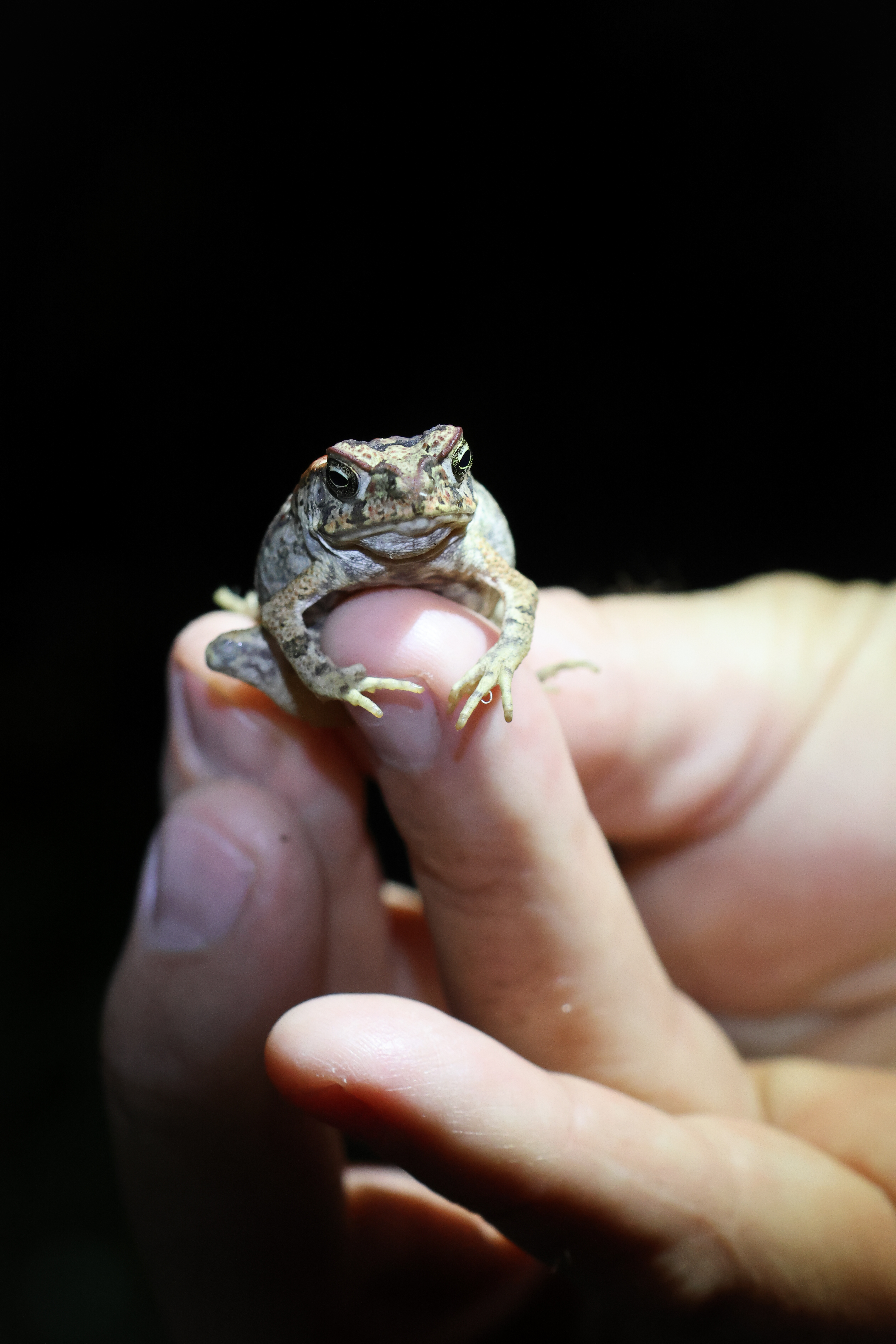
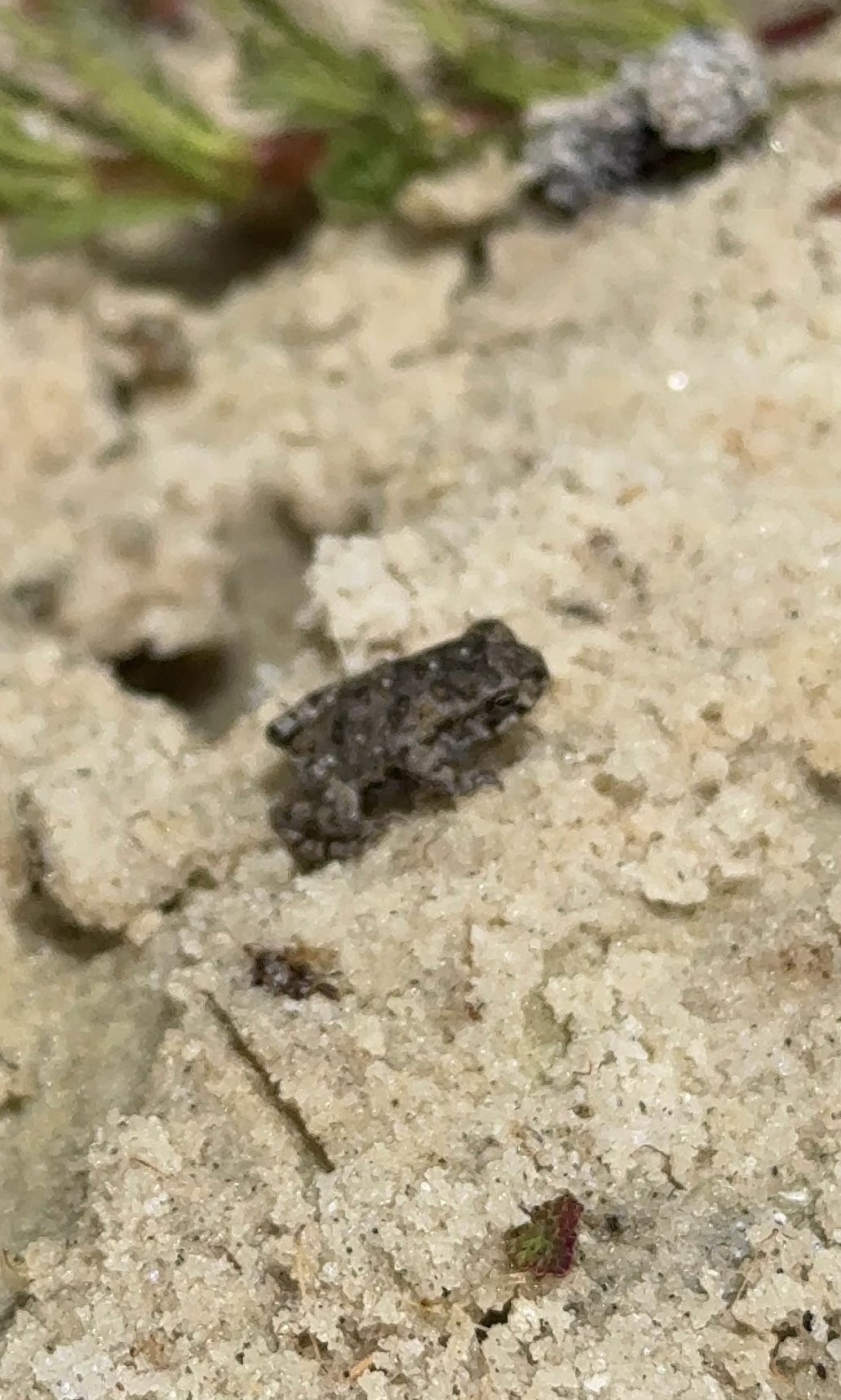
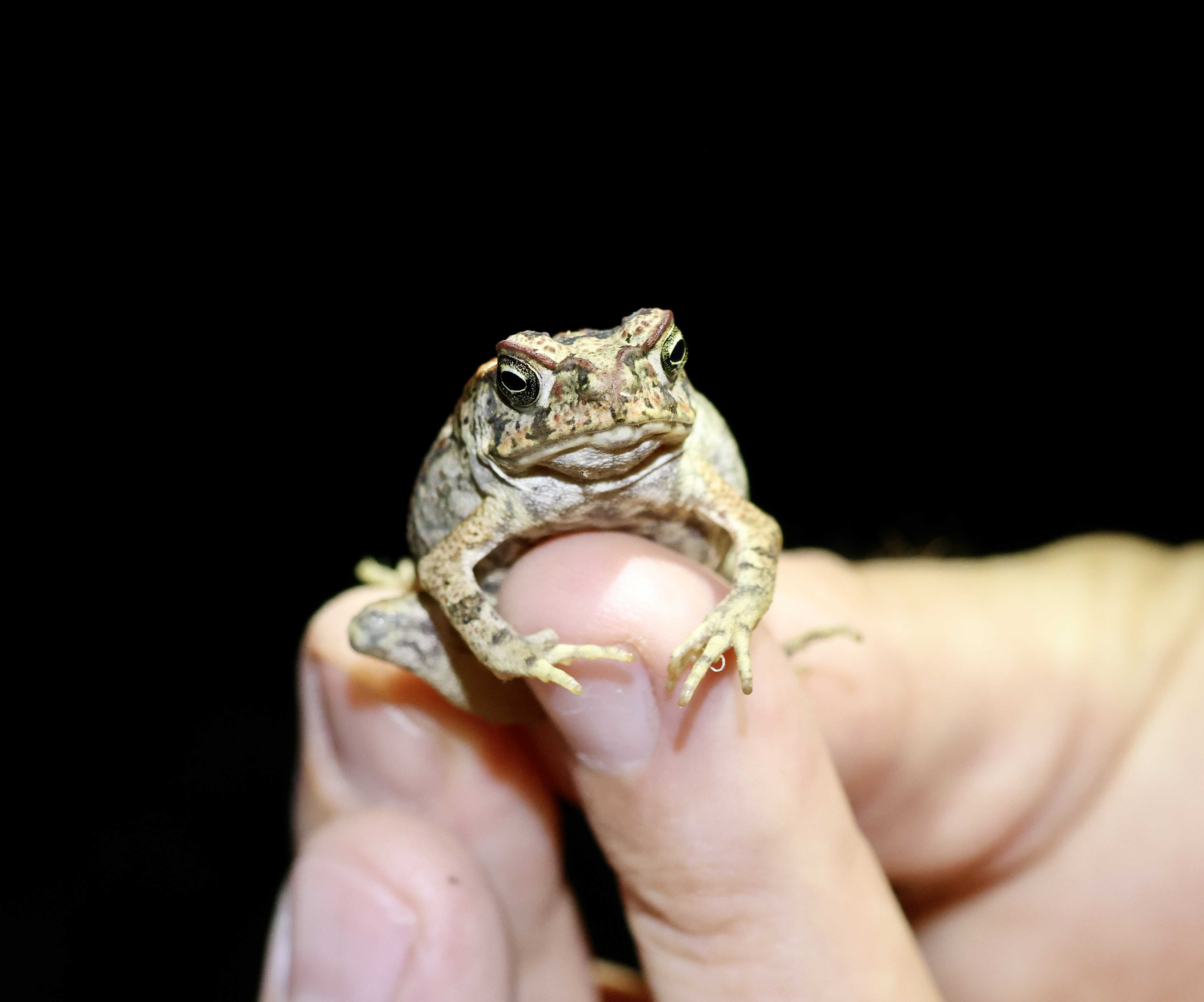
They're called toadlets — baby cane toads that have just completed their transformation from tadpoles into fully-formed (but very small) toads. They are typically 1–2 cm long, move in short hops rather than long jumps, and often appear in very large numbers clustered near water.
Despite their size, they carry the same toxin as adult cane toads and pose a genuine risk to curious dogs and cats.
Why Does It Happen After Rain?
The short answer: rain provides the conditions cane toads need to breed successfully.
Here's the full sequence:
1. Adult toads breed in or near standing water
Cane toads breed year-round in warm, humid climates like South East Queensland, but activity spikes sharply after rain. New puddles, refilled ponds, and flushed drains all become potential breeding sites. A single female cane toad can lay between 8,000 and 35,000 eggs in one event.
2. Tadpoles develop in the water
Under Queensland summer conditions, cane toad tadpoles can metamorphose into toadlets in as little as four to six weeks. Warm, rain-replenished water accelerates this process significantly.
3. Toadlets emerge together
When tadpoles are ready to metamorphose, they often do so in synchronised waves. This means that instead of emerging one by one over weeks, hundreds or thousands of toadlets can emerge from a single pond or drain within a day or two. Post-rain humidity is critical here — it keeps the toadlets from drying out as they disperse across surrounding ground.
4. They spread across your property
Fresh toadlets move fast. Within 24–72 hours they scatter into garden beds, lawn edges, mulch, and underneath any ground-level shelter they can find. The longer you wait, the harder they are to locate.
The 24–72 Hour Window
This is the single most important thing to understand about toadlet outbreaks: you have a very short window in which removal is practical.
When toadlets first emerge, they cluster near the water source. They're concentrated, visible, and relatively easy to collect in bulk. After 72 hours, they've dispersed into every dark, damp corner of your property — and removing them requires hunting them down one by one.
If you notice a toadlet outbreak, act the same day.
Where Do They Come From on Your Property?
If you're seeing large numbers of toadlets, there is almost certainly a breeding source within close range. Common sources include:
- Backyard ponds and water features — the most frequent cause
- Drains and stormwater channels — tadpoles can develop in surprisingly shallow, slow water
- Dams — especially on larger rural properties
- Ornamental fish ponds — toads will breed even in treated or aerated water if they can access it
- Temporary puddles — after heavy rain, even wheel ruts can hold enough water for limited breeding
What Should You Do?
Immediately:
- Keep pets indoors or supervised away from the area
- Don't let children handle the toadlets — even skin contact carries risk
- Contact a removal service if numbers are large
For large outbreaks:
Manual removal isn't practical when you're dealing with hundreds of toadlets. Professional baby cane toad removal using wet-vac equipment is the most effective approach — rapid collection across the whole property before they scatter.
To prevent the next wave:
- Consider tadpole trapping in any nearby ponds or water features to break the breeding cycle
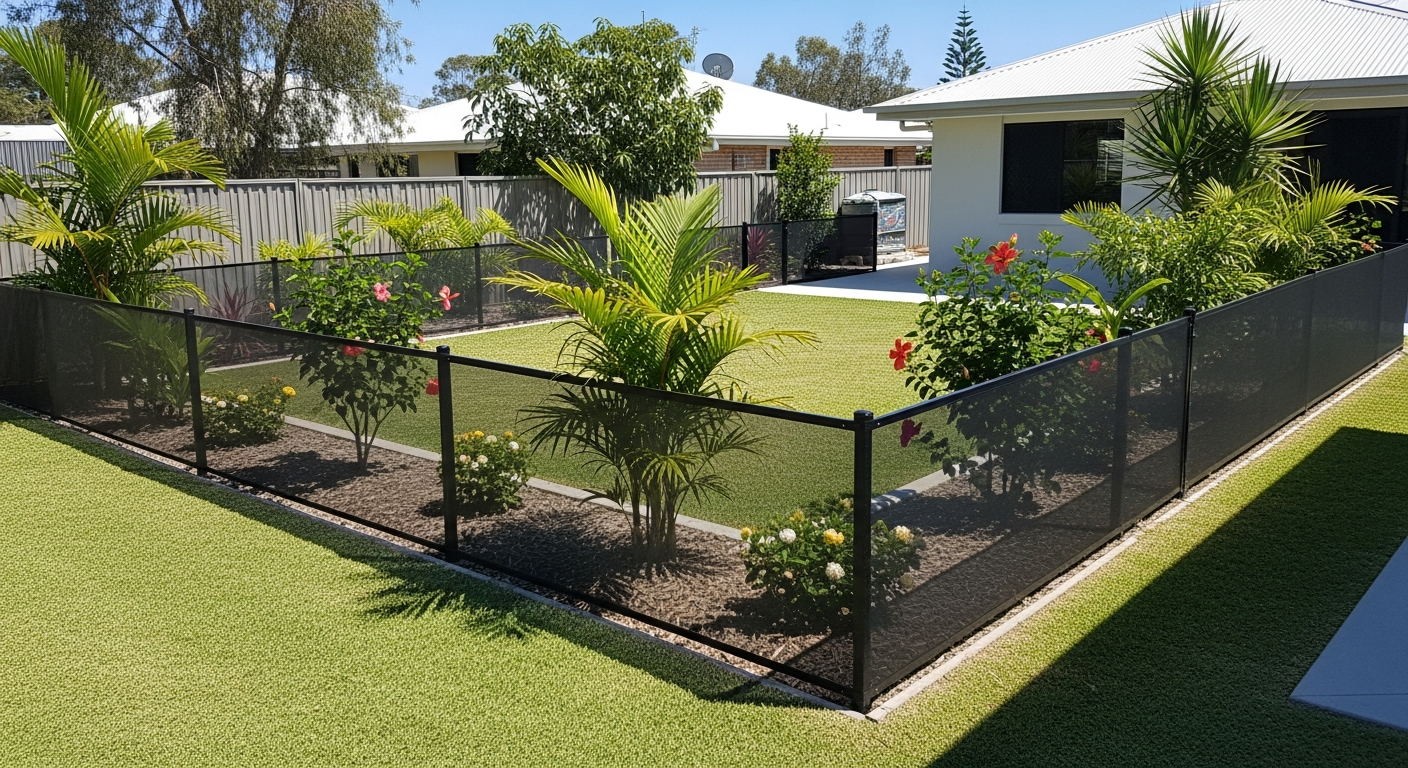
- Look into toad-proof barrier fencing to stop toads — including toadlets from neighbouring properties — from entering your yard
The Bottom Line
Baby cane toads appearing in large numbers after rain is not a random event — it's the result of a successful nearby breeding cycle. The good news is that if you act quickly, it's a problem you can get on top of. The bad news is that if you wait, the window closes fast.
If you're in the Gold Coast, Brisbane, or Northern NSW area and you're dealing with a toadlet outbreak, contact us or book a visit today.
Related reading:
- Why Thousands of Baby Toads Appear Near a Pond
- Are Baby Cane Toads Dangerous for Dogs?
- Baby Cane Toad Removal Service