
Every conversation about cane toad management eventually comes back to the same question: is there anything that actually stops them, permanently?
Removal reduces numbers. Trapping disrupts breeding. Habitat modification makes your property less hospitable. These all matter, and they all have a role.
But none of them prevent entry. Only a physical barrier does that.
Why Removal Alone Is Not Enough
When we remove cane toads from a property, we are reducing the resident population at a point in time. For many properties, that is genuinely useful — numbers drop, the risk to pets decreases, and owners see immediate results.
The limitation is that cane toads are mobile. Properties without a barrier will be continuously recolonised from surrounding areas. Toads move in from neighbouring properties, from parks and waterways, and from the broader environment each night. In suburban Queensland during peak season, this recolonisation can happen quickly.
This is why many families who use removal services choose to combine them with barrier fencing. The removal service clears the interior; the fence stops the exterior population from re-entering.
What Toad Exclusion Fencing Actually Is
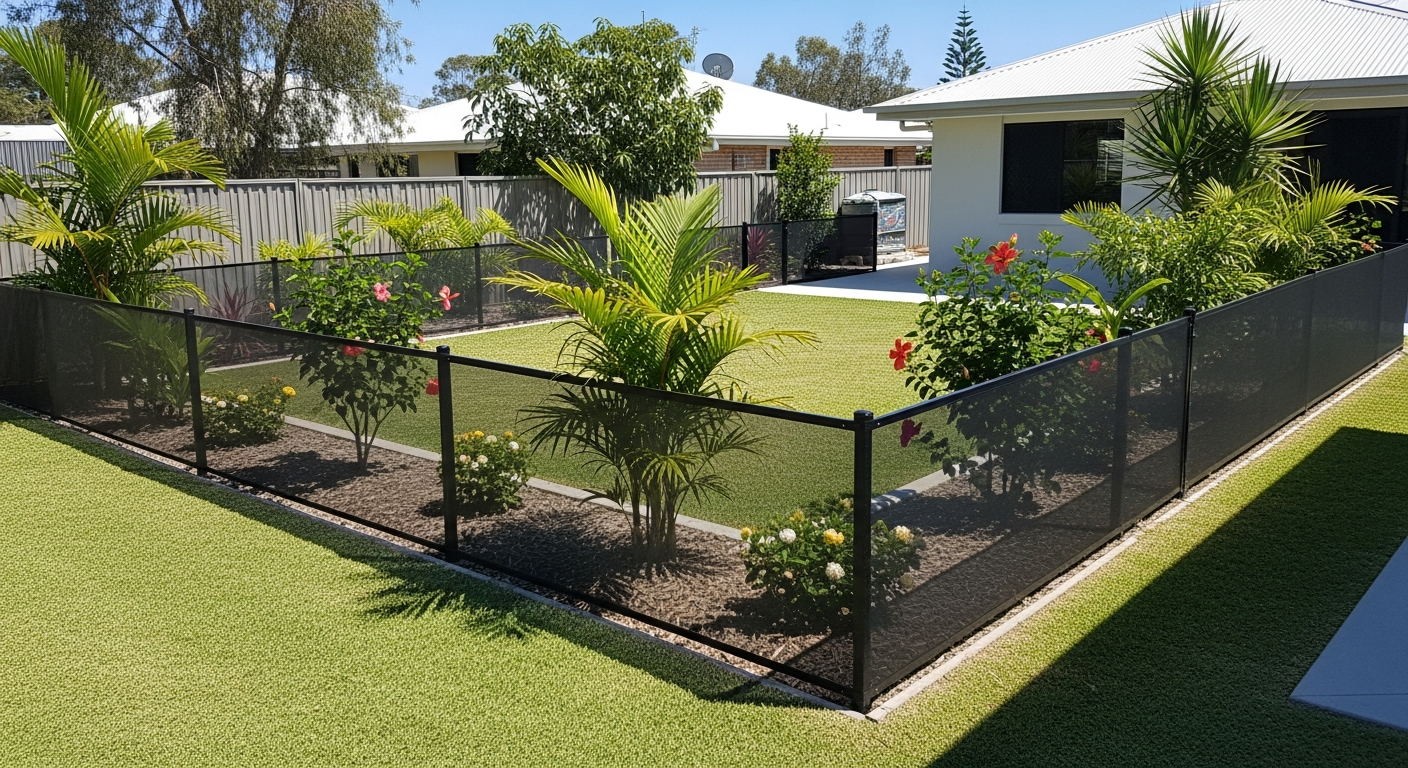
Specialist toad exclusion fencing is not standard garden fencing, and it is not the same as snake or lizard mesh. It has specific requirements determined by the biology of cane toads — in particular, the size of juvenile toadlets.
Mesh specification
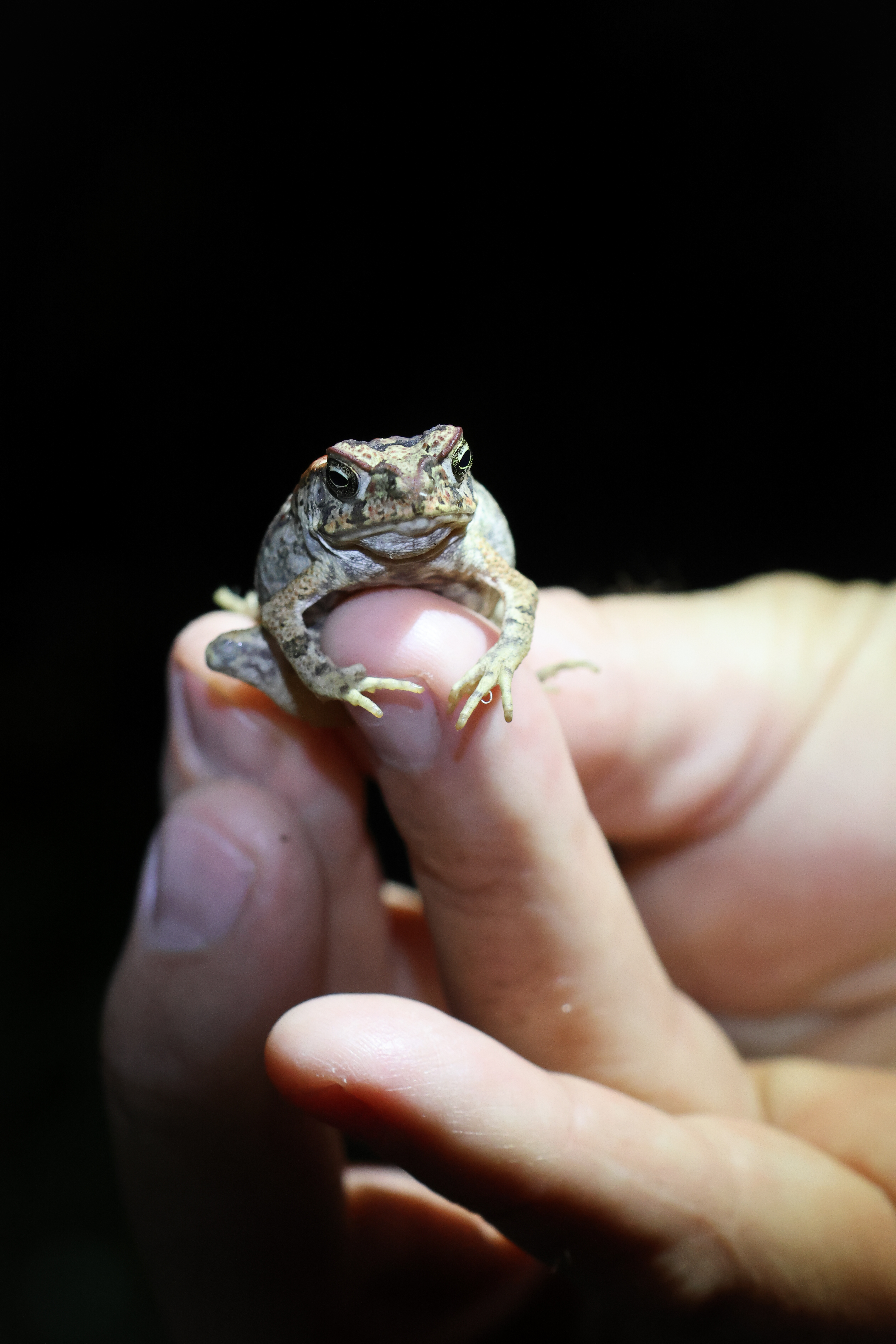
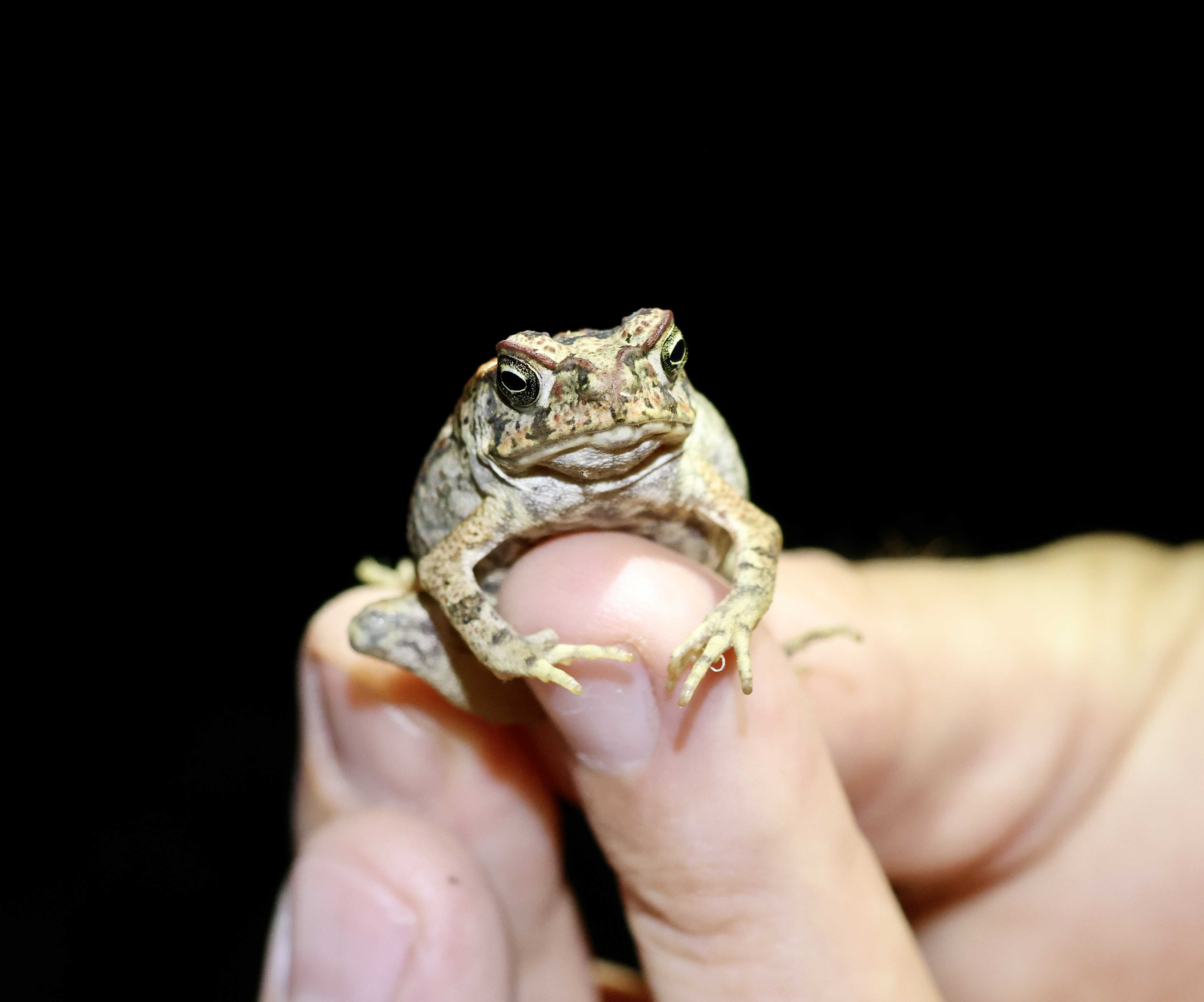
Adult cane toads are easy to exclude. They are large enough that standard fencing stops them. The challenge is juvenile toads — the small toadlets that emerge from water in their thousands during breeding season. These can be as small as 1cm.
Effective toad exclusion mesh has openings no larger than 10mm. This excludes juveniles as well as adults. Using larger mesh — even standard small-animal mesh — will stop adults but allow juveniles through.
Ground contact
Toads do not climb. They move along the ground. The base of the barrier must make firm contact with the soil with no gaps. On uneven terrain this requires careful installation — buried edging, pegging into the ground, or infill on irregular surfaces.
A single gap at ground level is enough for juvenile toads to exploit.
Entry points
Gates and access points are the most common failure points in barrier fencing. A gate that swings clear of the ground, even by 2 to 3cm, creates an entry point for small toads. Gates need brush strips, threshold seals, or recessed frames to eliminate the gap.
Height
While toads do not climb, the barrier should be tall enough to prevent adults from walking over the top if the mesh sags or settles. 300 to 400mm is the standard minimum height for a toad exclusion barrier.
What a Professional Installation Involves
A professional barrier installation begins with a site assessment. This identifies the perimeter to be enclosed, any existing structures that the barrier can attach to, the terrain conditions, gate and access requirements, and any particular challenges specific to the property.
The assessment informs the materials specification. Not all properties need the same solution — a flat suburban backyard with timber paling fences involves different installation considerations from a sloping block with brick walls and a pool gate.
Installation involves attaching or setting the mesh barrier around the specified perimeter, setting it at ground level, and treating all gates and access points. Where toads are likely already resident inside the perimeter, interior removal is carried out as part of the process.
Following installation, we confirm the perimeter is secure before completing the job.
What Fencing Does and Does Not Do
What it does:
- Prevents cane toads from entering the enclosed area
- Provides ongoing protection without ongoing intervention once installed
- Works around the clock, not just when you are actively managing your yard
- Protects pets in the enclosed area from exterior toad populations
What it does not do:
- Remove toads already inside the perimeter at installation time
- Control toads on the external property, beyond the fence line
- Eliminate the need for tadpole control if there is a water feature inside the fenced area
The clearest mental model: barrier fencing defines a secure zone. Everything inside that zone is protected. Everything outside remains unmanaged unless you are also running a removal or trapping programme.
When to Install
The best time to install toad exclusion fencing is during the cooler, drier months — May through September. This is the period of lowest toad activity, which makes installation more practical and reduces the likelihood of trapping resident toads inside the perimeter unintentionally.
Installing before October means the barrier is in place before peak season begins. This is when the value of the fence is greatest.
That said, barrier fencing can be installed at any time of year. If your property does not have a fence and your pets are at risk, there is no reason to wait for the right month.
Getting a Quote
We provide quotes following a site visit. Every property is different — perimeter length, terrain, existing structures, and gate requirements all affect the cost and approach. There is no one-size-fits-all pricing.
A site visit takes around 30 minutes for a standard suburban block and gives us the information we need to provide an accurate, detailed quote.
Ready to protect your yard permanently? Learn more about our PetSafe Barrier fencing service or get in touch to arrange a site assessment and quote. If you have pets at risk right now, the Emergency Toad Kit keeps first-aid essentials within reach while you plan the next steps.