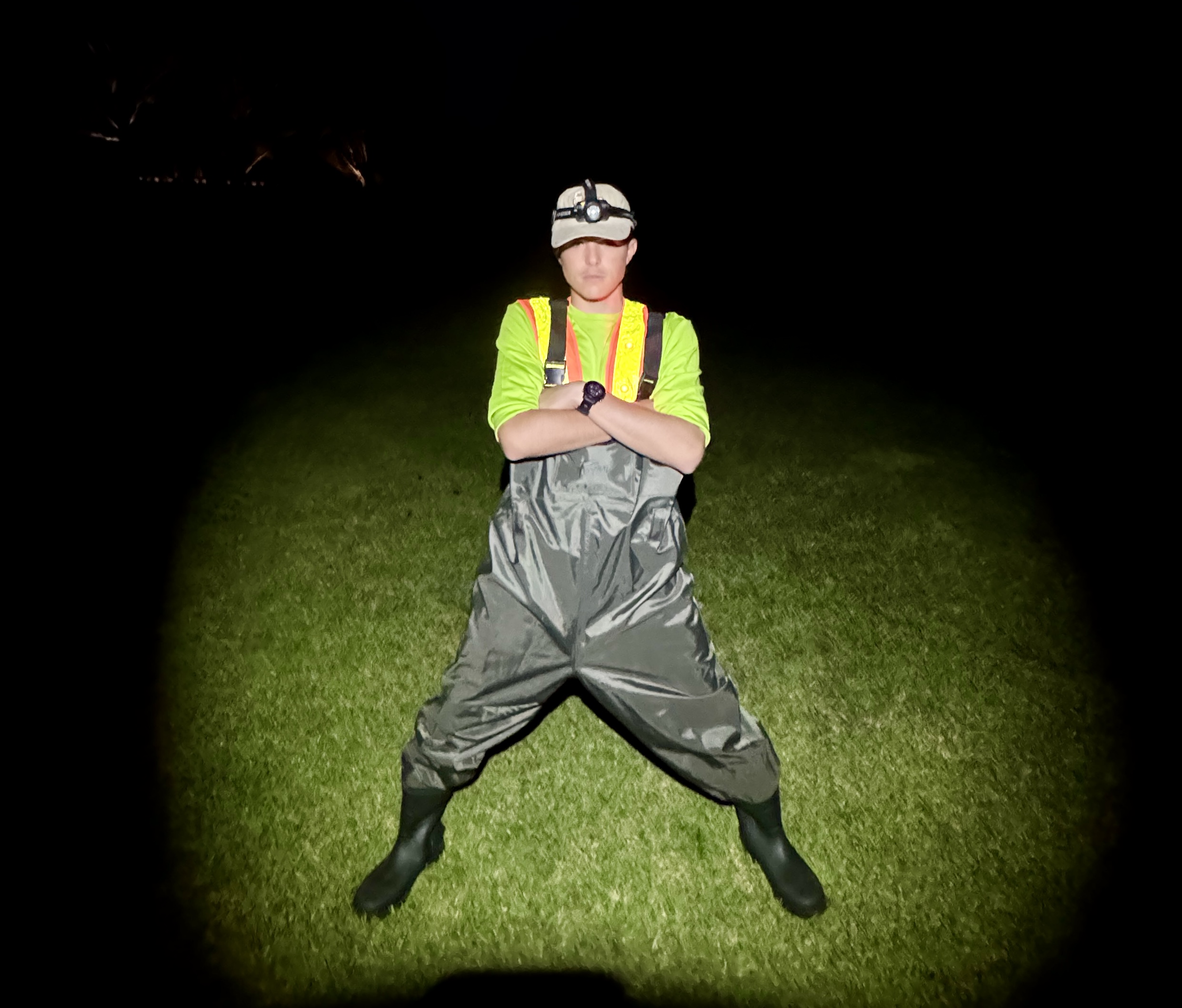
Cane toad management on a suburban quarter-acre block and cane toad management across ten or fifty hectares are fundamentally different problems.
The scale changes what is practical. The presence of livestock, working dogs, dams, and irrigation infrastructure changes the risk profile. And the economics of repeated professional visits change the calculus entirely.
This post is specifically about acreage and rural properties — what approaches work at scale, what does not translate from suburban practice, and how to build a management programme that is sustainable across a full season.
Why Suburban Approaches Do Not Scale
The two most common suburban strategies — manual removal and perimeter barrier fencing — face serious practical limitations at acreage scale.
Manual removal is labour-intensive. On a suburban block you might find five to twenty toads on a given evening. On a property with a dam, creek, or permanent water, populations can be dramatically larger, and the property boundary too extensive to patrol effectively on foot each night.
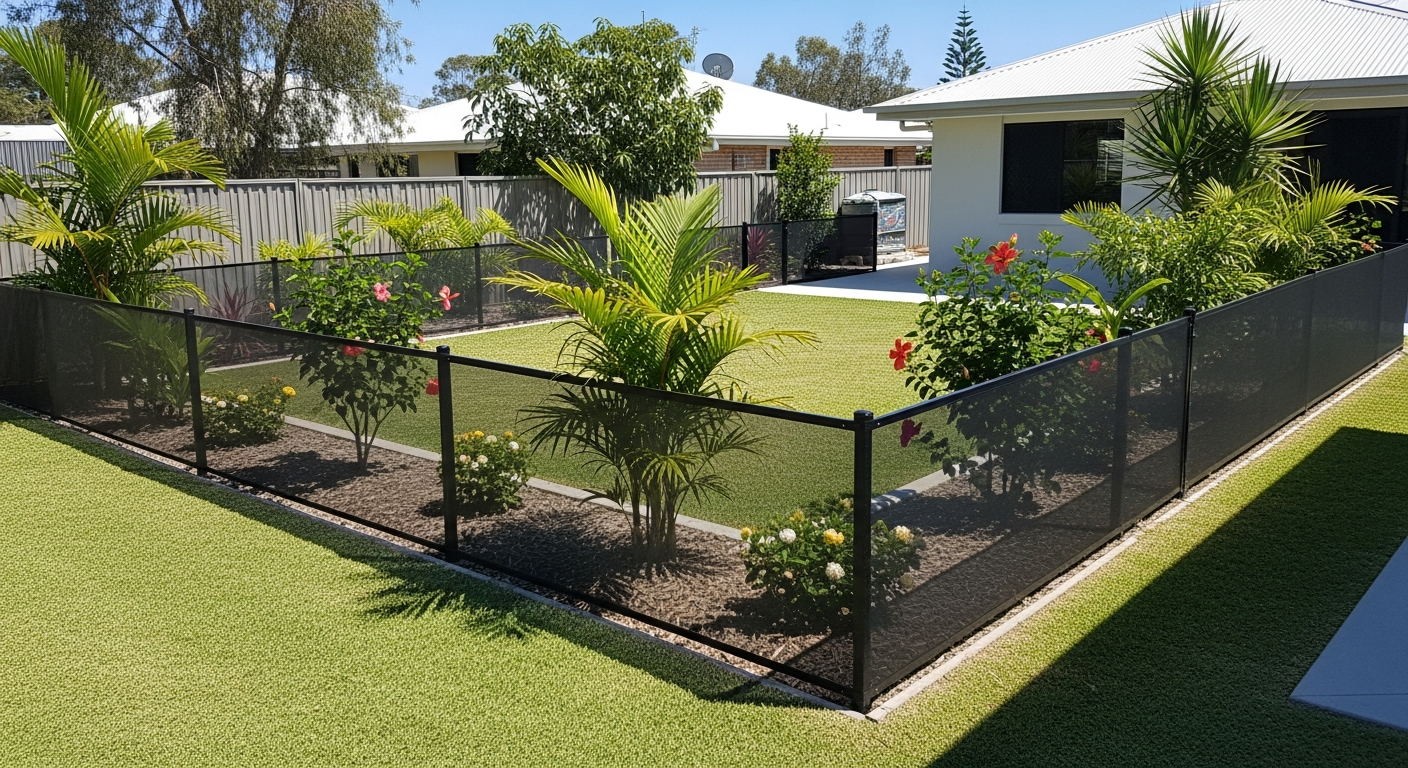
Perimeter fencing at full property scale — several hundred metres or more of specialist toad barrier — carries a cost and installation challenge that makes it impractical for most landholders. It is also ineffective if toads are already breeding inside the perimeter.
This does not mean management is impossible. It means the strategy needs to be different.
Where to Focus on Acreage
Rather than attempting blanket control across an entire property, effective acreage management concentrates effort on the areas and life stages where it has the most impact.
Protect the high-risk zones first
Identify where your animals are most at risk and prioritise those areas:
- Dog kennels, runs, and exercise areas — these are the highest-risk zones. A smaller perimeter barrier around a defined dog run is practical and highly effective, even if the broader property cannot be fenced.
- Stables and feed areas — toads are drawn to water and feed. Manage water troughs and minimise overnight food access in these areas.
- Working dog yards — working dogs are among the most at-risk animals on rural properties, spending significant time outdoors. Barrier exclusion around working dog areas is one of the best investments an acreage owner can make.
Target breeding at the dam and water features
If your property has a dam, creek, or irrigation pond, it is almost certainly a breeding site during the wet season. This is where tadpole trapping becomes particularly valuable at acreage scale.
A dam can support cane toad breeding events that produce thousands of toadlets. Tadpole trapping with multiple traps deployed across the dam perimeter — particularly in the shallows where breeding activity concentrates — can dramatically reduce the number of new adults emerging.
This is ongoing seasonal work, not a one-off treatment, but it is tractable and effective.
Reduce habitat around key areas
Toads shelter in dense vegetation, under debris, and near water during the day. Keeping areas around kennels, stables, and high-traffic zones clear of ground-level clutter reduces the daytime shelter available to resident toads.
Vegetation management within 5 to 10 metres of a dam or water feature also reduces shelter for breeding adults.
Adult Trapping at Scale
For properties where professional removal visits are infrequent, adult trapping devices can supplement your management programme between visits.
Toad traps designed for adult capture work on the principle of attracting toads to a light source and funnelling them into a holding chamber. They work best placed near water, along fence lines, or at entry points identified during professional site assessments.
At acreage scale, multiple traps running simultaneously in different locations is more effective than a single high-capacity trap in one location. Toads are not uniformly distributed across a large property — they concentrate near water and shelter.
Important: Traps require regular checking. Any non-target wildlife captured should be released immediately. Do not leave traps unattended for more than 24 hours.
Seasonal Planning for Rural Properties
Effective acreage management is seasonal, not reactive.
May to September (lower activity period): This is the time for infrastructure — installing barrier fencing around dog runs, assessing dam edges, clearing shelter habitat, and establishing where you want traps positioned before the season begins.
October to November (early wet season): Deploy tadpole traps as breeding activity begins. Begin professional removal if populations are building. Check high-risk zones around animals nightly.
December to February (peak activity): Maintain trap programmes. Increase removal frequency. Keep dogs and other at-risk animals out of the yard at dusk. Know your emergency vet contacts.
March to April (winding down): Continue trapping while activity remains elevated. Use this period to assess what worked, identify remaining high-density areas, and plan for the following season.
Working With a Professional Service
For properties where animals are at genuine risk — particularly working dogs or valuable livestock — a professional site assessment is the most efficient starting point.
An assessment identifies where toads are entering and breeding, the highest-risk areas for your specific animals, which control methods will be most cost-effective at your scale, and where infrastructure like tadpole traps or area-specific fencing should be prioritised.
From there, a programme can be built around what your property actually needs — not a suburban-scale approach awkwardly applied to rural conditions.
Managing a rural or acreage property? Get in touch for a site assessment tailored to your scale, or browse our tadpole traps to get started on your water features now.